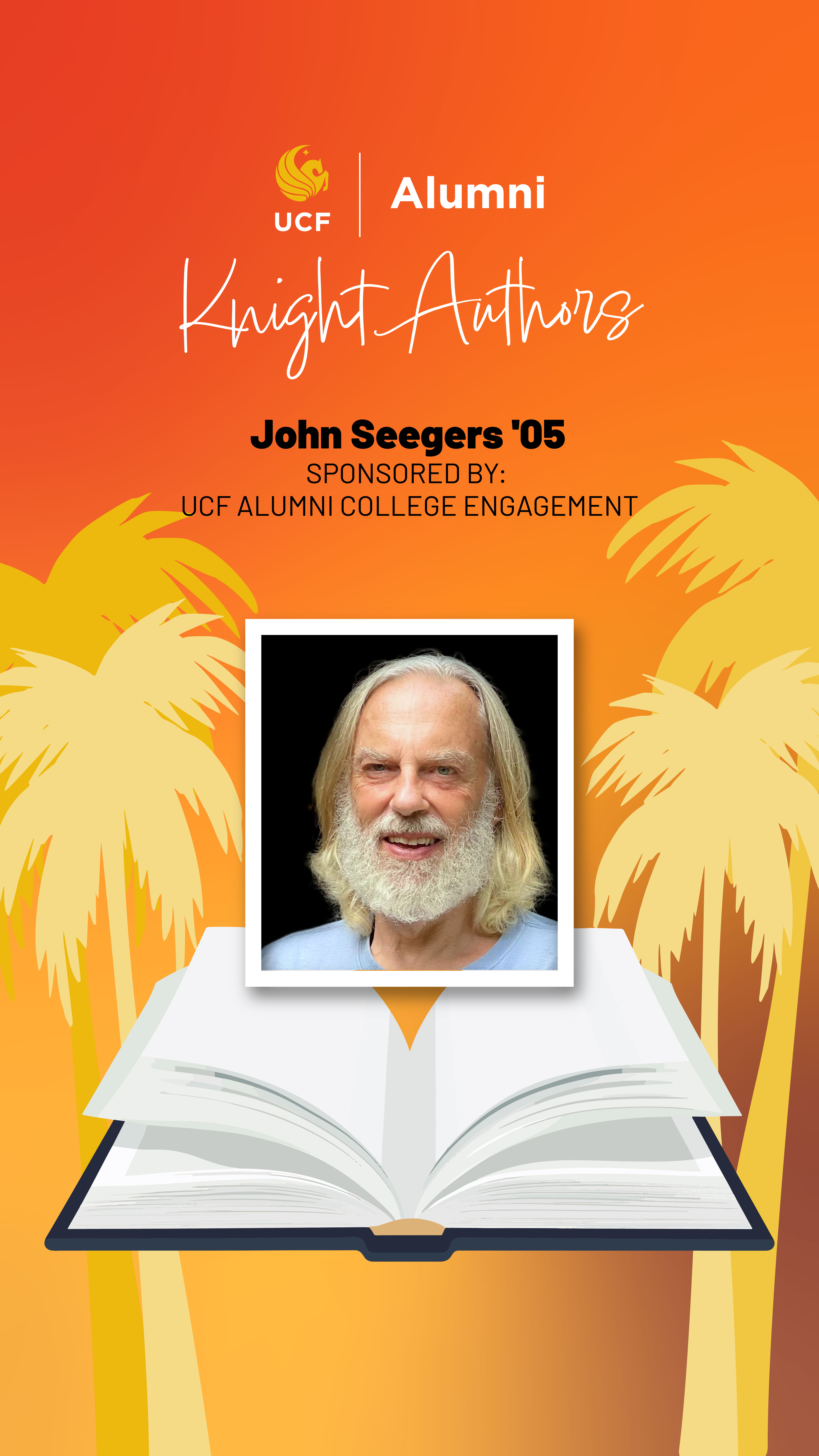
Rob Sheinkopf ’85MEd
Tell us a little about yourself!
I first came to UCF in 1973 when it was called FTU. after graduating from college in upstate New York. I enrolled as a graduate student and got a job in the Registrar’s Office where I stayed for many years, eventually becoming director of admissions before leaving in 1991. I worked at other universities during my 40-year career but never stopped loving UCF. I have written two books since retiring, working on a third, all with a baseball theme. My wife and I live in Las Vegas and visit our granddaughter (and her parents) in Jacksonville as often as possible.
When did you first realize you wanted to be a writer?
I’ve been writing academic papers since the late 80’s, and publishing some of my research in book form seemed to be a natural next step. Until I retired, I never had time to read, let alone write a book, so I didn’t realize I wanted to be a writer until I wrote my first book. I wish I had started writing earlier in my life.
What’s your writing process? What inspires your writing?
I try to write for about 2 hours a day, five or six days a week. I don’t know what inspires me, but some days my couple hours of writing actually produces a nice story or two. Others are not so productive…but it’s important to me to write everyday I can find the time, and as a retiree, that’s most days.
What was the biggest thing you learned during your time as a Knight that you apply to your life today?
The people I met from my early days at UCF/FTU made a profound impression on me, from the professors I had in grad school here, to my bosses and colleagues in the administration, as a 22-year old recent college grad, I had a lot to learn. I was fortunate to have role models like Ralph Boston, my first boss, who taught life lessons every day simply by the way he treated students (and colleagues) with respect, and demanded that we do the same.
What was a class or club at UCF that helped you grow as a writer?
I took a baseball history class from Dr. Dick Crepeau where I learned the literature, history and culture was just as relevant as the daily box scores. It started me on a research project that led to my second book last year. I don’t think I would have taken up writing were it not for that experience.
Who are some of your favorite authors or books?
Peter Golenbock has written and continues his distinguished career writing some of the best baseball books ever, and I’ve read almost every one of them. The late W.P. Kinsella was an author whose books I have read and reread since History Professor Dick Crepeau introduced me to his work in the early 80’s. I was fortunate to meet and spend a few days with Kinsella at a conference in 1990. I was not disappointed after getting to know one of my heroes, and his work continues to influence my own way of approaching writing projects.
If UCF had a time machine, what moment on campus would you go back to?
Probably 1973 when I first got here. I knew my way around the campus back then and we all pretty much knew each other when we had about 6,000 students with only 414 of them living in residence halls. Life was simple then. There was no way anyone could see what FTU would become.
What are you currently working on right now?
I’m writing new baseball stories, some based upon interviews with former players and with fans who share their personal experiences. I am also re-publishing Baseball Imposters as a second edition with updates and more baseball Imposters cases that should be released in early 2027. I had hoped to interview those 53 former major leaguers who were the basis for my master’s thesis more than 40 years ago, but sadly nearly all of them are now dead. I guess I thought they’d live forever, and wish I had followed through on that idea 10 or 20 years ago.
Anything else you want to share?
I’m so proud of my association with UCF and thankful for the opportunity to participate in the Book Nook again. Last year I connected with several friends I hadn’t seen since my time at UCF ending in 1991, and I am happy this venue has moved back to the campus. It’s pretty impressive to see what some alumni writers have accomplished, and a great privilege to be included.