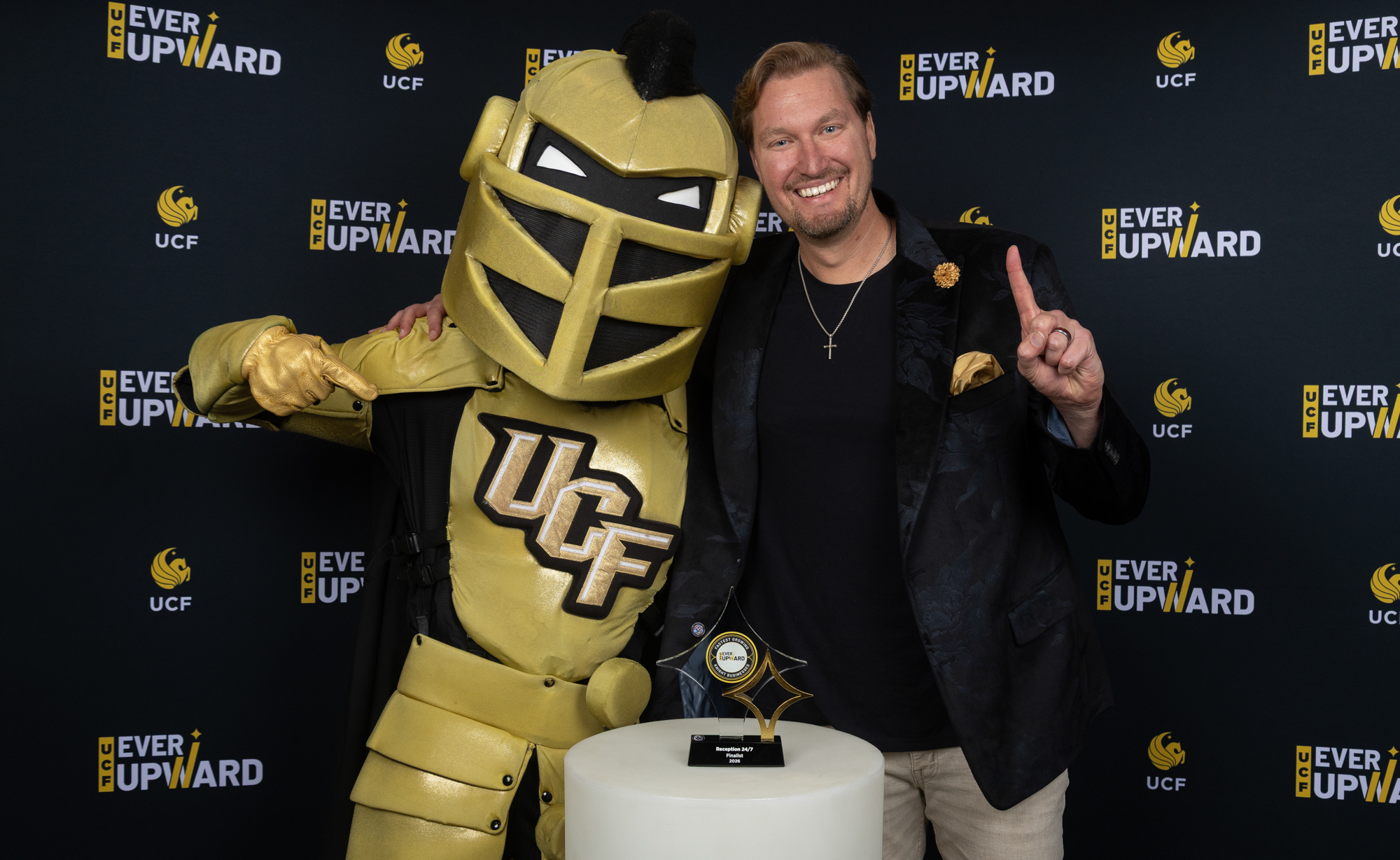
Finding His Voice: David Toback ’02
After setbacks, reinvention and a life-changing injury, a UCF alumnus builds a global voiceover career — and helps others find theirs along the way.
David Toback ’02 makes his living using his voice, but finding it required years of detours, setbacks and persistence.
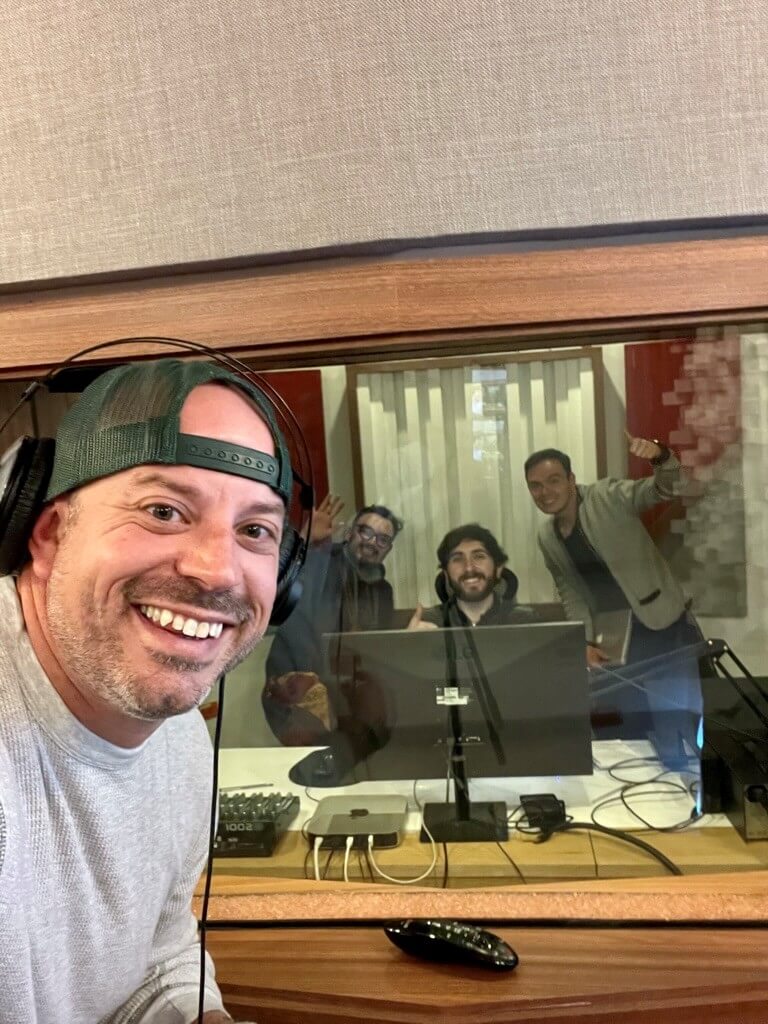
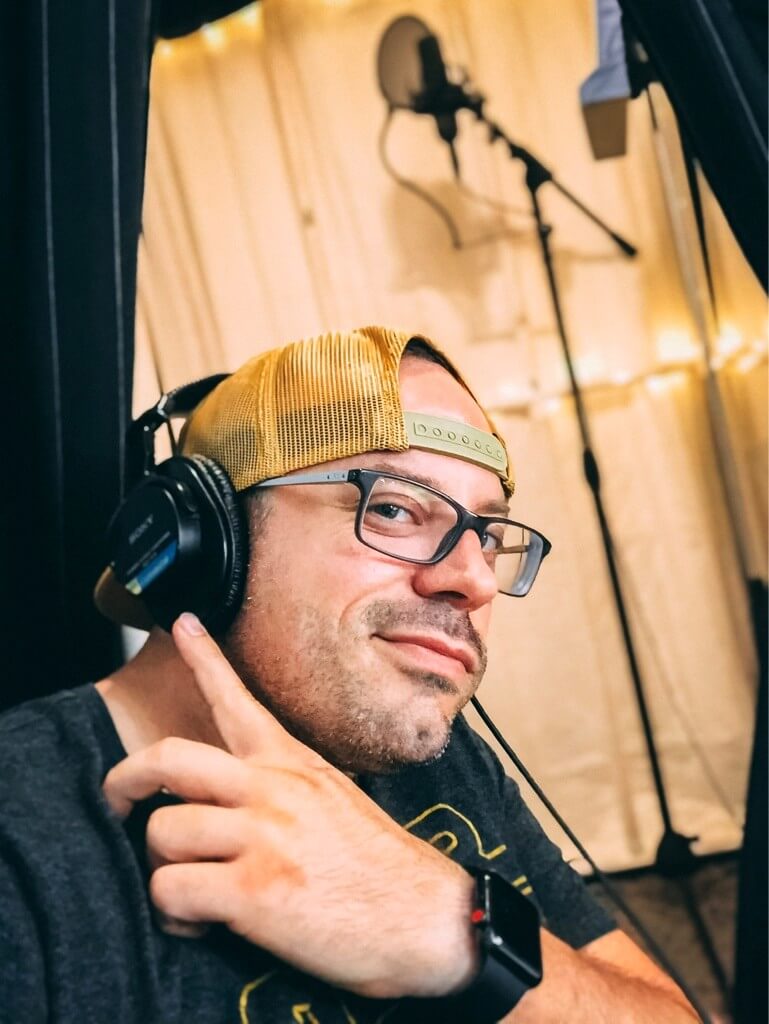
Today, Toback is a successful voice actor, educator and entrepreneur, guiding aspiring talent through an industry that can feel intimidating and opaque. From his home in Colombia, he records voice work, and coaches talent around the world. His own path was anything but straightforward, shaped by health challenges, career upheaval and moments of real uncertainty that eventually led him to a vocation rooted in creativity, resilience and service.
That journey began long before he ever stepped into a recording booth.
Learning to Listen
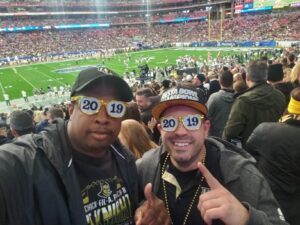
Raised primarily in South Florida, Toback spent part of his childhood living in England. When he returned to the United States with a British accent, he stood out immediately, sometimes in ways that were difficult.
“I came back with an accent and got picked on pretty quickly,” Toback says. At the time, he was in elementary school. “You gain it fast and you lose it fast, but it sticks with you in ways you don’t always realize.”
Years later, he would come to see those early experiences differently. Learning to listen closely to speech patterns and tone, and adjusting his own voice to fit in, became unexpected preparation for the career he would eventually build.
A Knight Through and Through
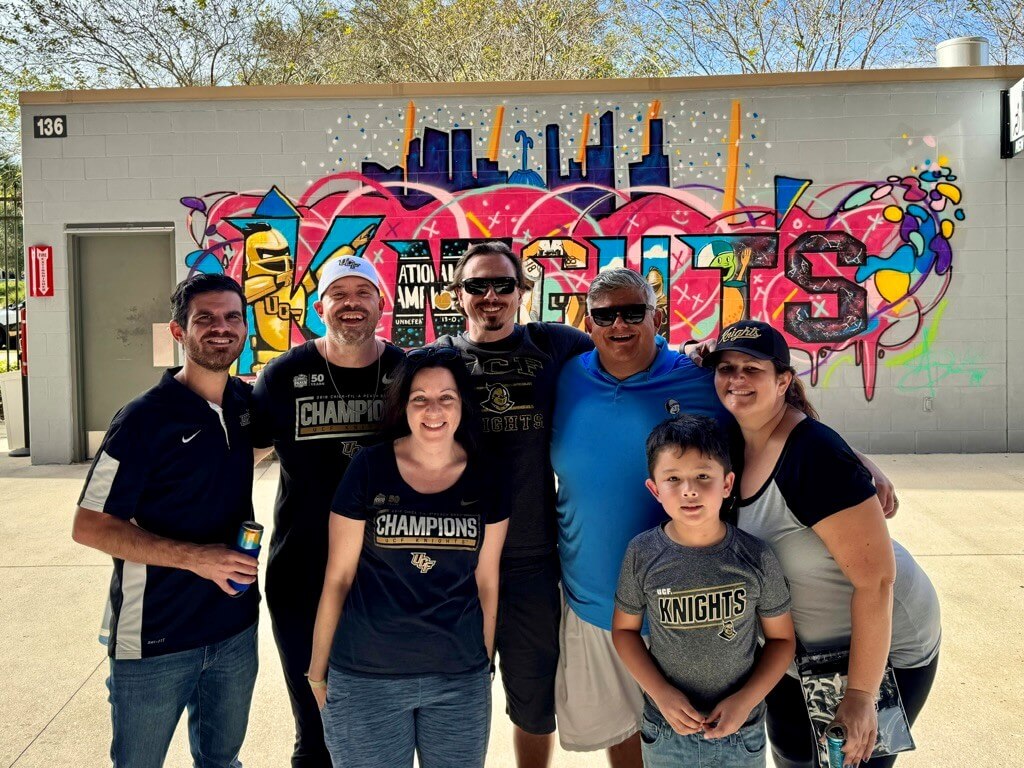
When it came time for college, Toback found himself drawn to the University of Central Florida. After visiting campus, the decision became clear.
“There was just a feeling,” Toback says. “It felt like home.”
He enrolled at UCF in 1998 and graduated in 2002 with a degree in marketing. The university was still emerging as a national institution, and Toback embraced that sense of growth and possibility. He became deeply involved in student life through the Barry S Miller College of Business and Alpha Kappa Psi, the professional business fraternity centered on leadership and service.
“We watched the university grow while we were there,” Toback said. “We weren’t one of the ‘big three,’ and we heard that all the time. It made us defend the school harder.”
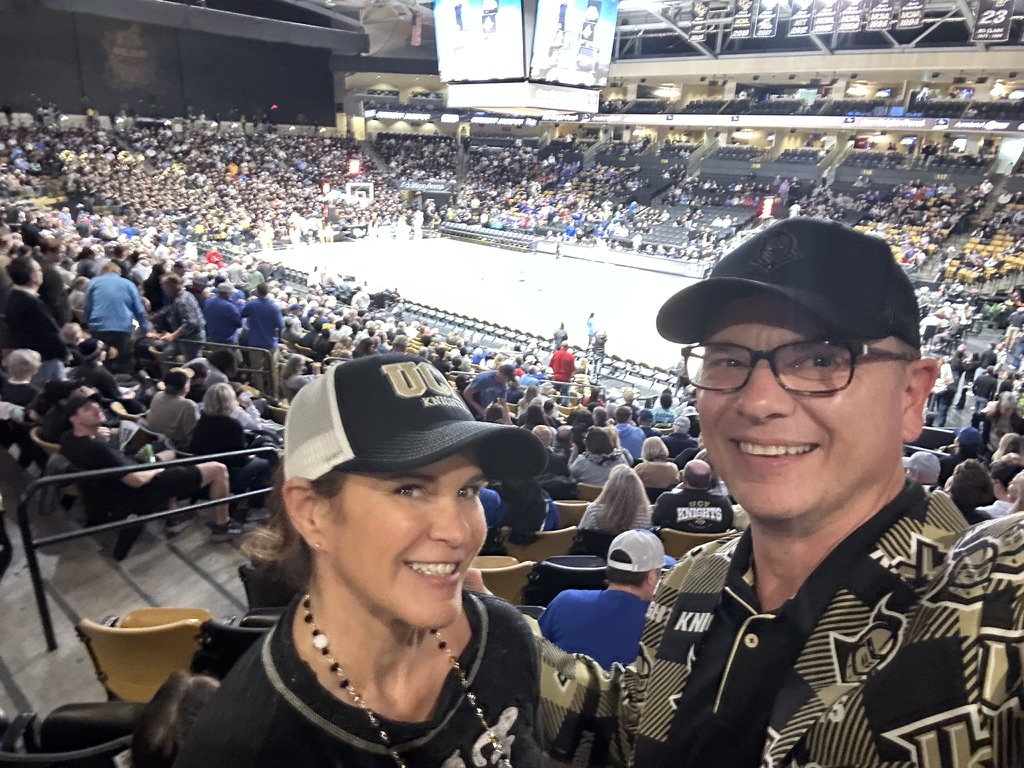
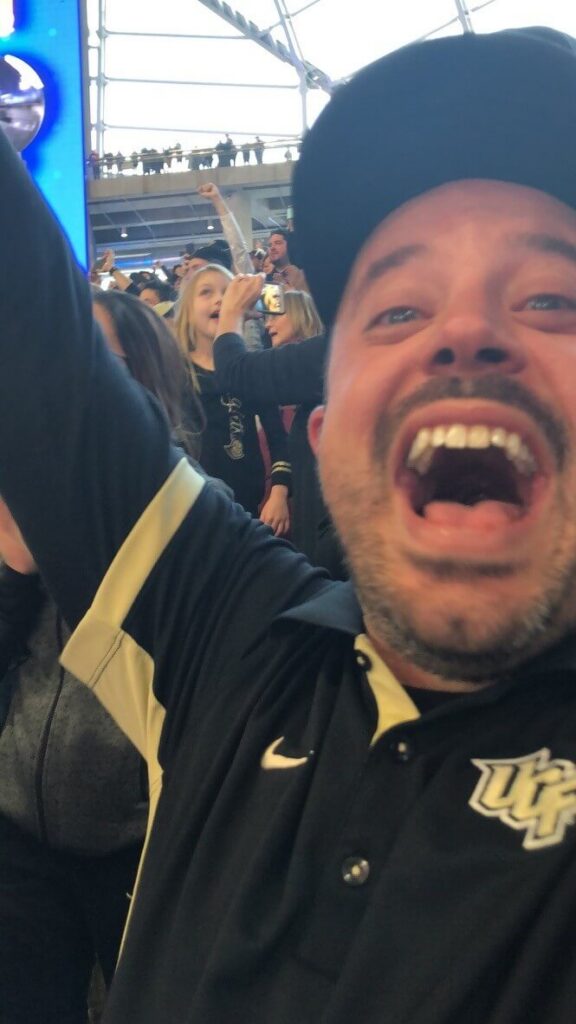
That loyalty endured long after graduation. His devotion to the Knights took root in the stands as a student at the Citrus Bowl and has only deepened over time — he has been a season ticket holder for years and still rarely misses a game. “Watching UCF rise has been incredible,” he said. “You always believed it could happen.”
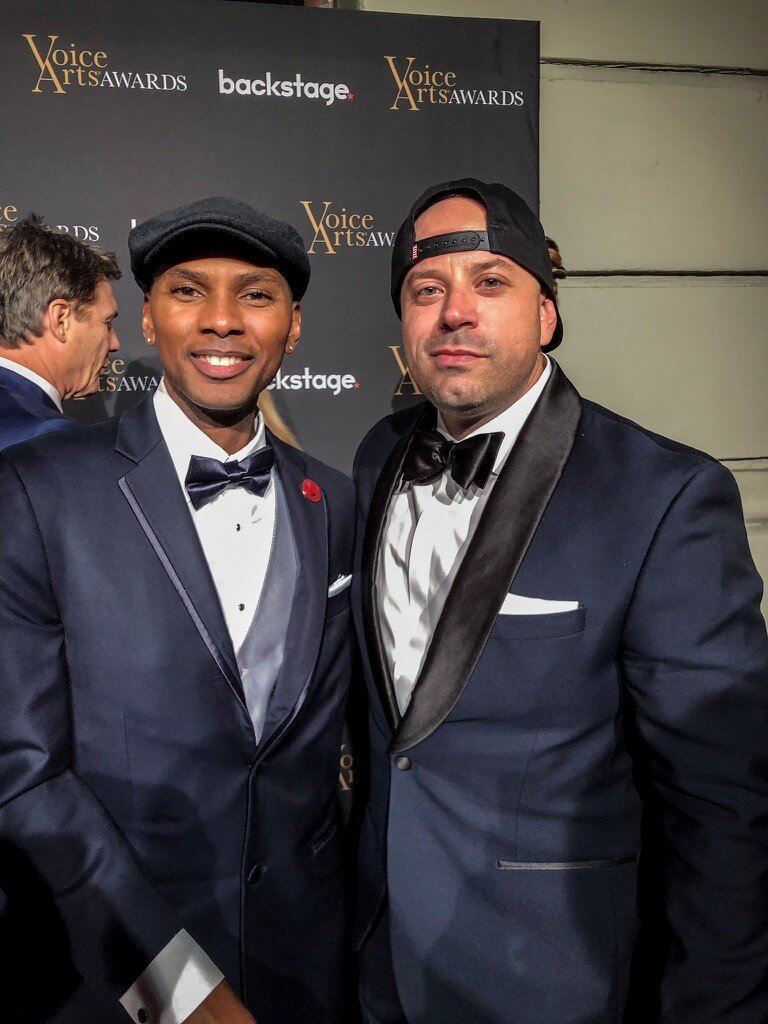
Rerouted
After graduating, Toback entered the professional world eager to build a career in business. But early on, life interrupted those plans.
A serious car accident led to back surgery and a long recovery. Shortly after returning to work, he lost his job.
“It was my first professional experience, and it was a harsh wake-up call,” Toback says. “I didn’t understand how quickly things could change.”
Determined to find a path that felt meaningful, Toback returned to UCF in 2004 to pursue pre-med studies after his first job out of college. Medicine ran in his family, and the work aligned with his values, a way to build a life around helping others.
But the journey proved unforgiving. The demanding coursework, mounting student loan debt and the realities of the path forced him to reassess.
“I gave it a real shot,” Toback says. “But at some point, you have to be honest with yourself about what’s sustainable and what isn’t.”
After leaving pre-med, Toback re-entered the workforce, taking corporate roles in housing and finance. The work gave him stability, but not the sense of fulfillment he was searching for. He wasn’t looking for the next job, he says. He was looking for the right direction.
The Turning Point
Then came the moment that changed everything.
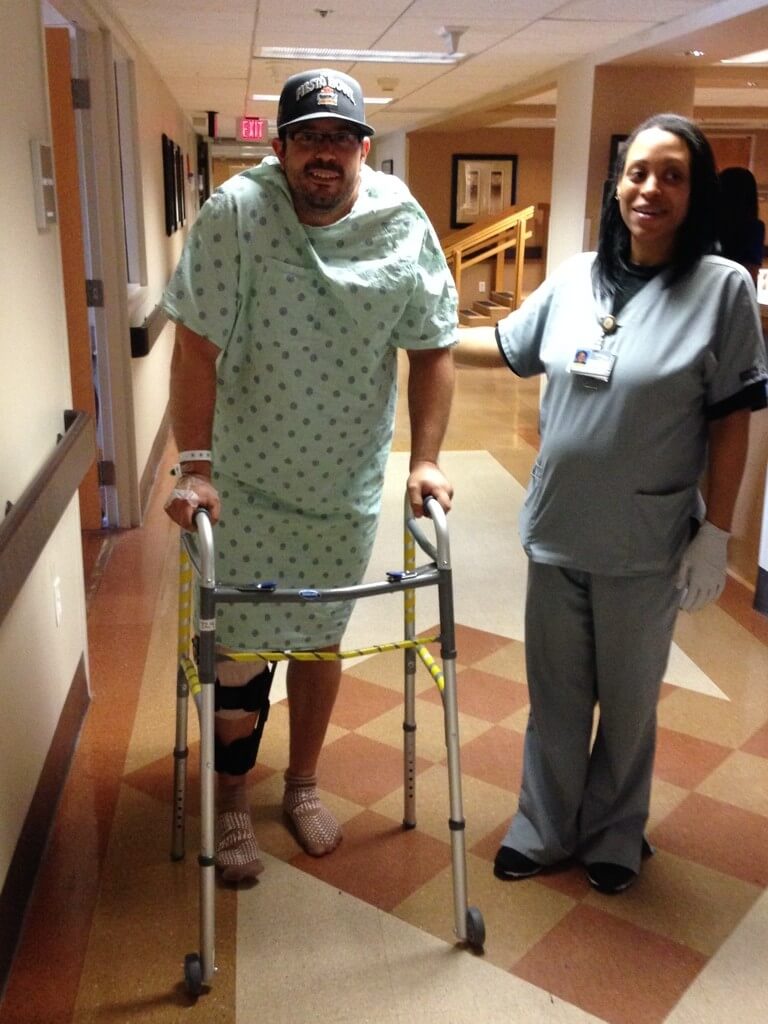
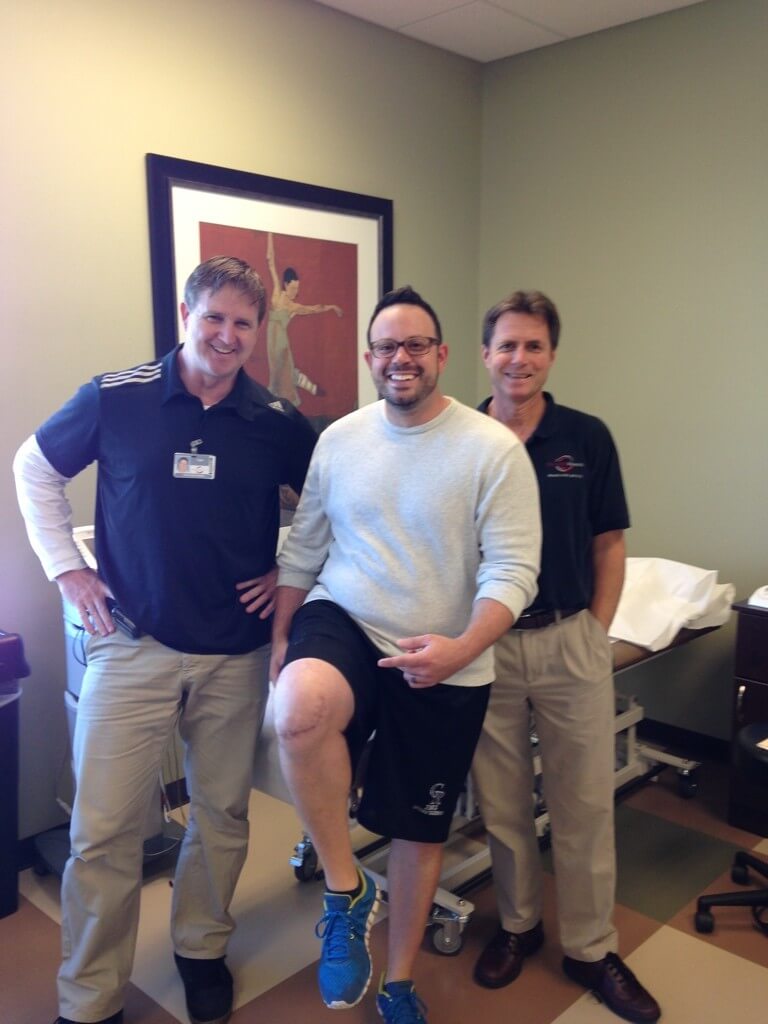
While volunteering for Relay for Life, Toback suffered a major accident that nearly cost him his right leg. The injury set off a grueling stretch of physical therapy and recovery, along with a psychological battle he did not immediately recognize.
“I’d say this accident is the biggest transformative experience of my life in a number of ways,” Toback says. “Traumatic events have a way of doing that to you.”
As an athlete, the fear was not just the pain. It was the possibility of losing physical ability permanently and not knowing what his life would look like on the other side. He fought through intense rehabilitation and what he now understands was PTSD, trying to rebuild strength while also rebuilding a sense of purpose.
During that recovery, voiceover stopped being a curiosity and became a lifeline.
Voiceover offered him something concrete to chase, a dream to pursue at a time when so much felt uncertain. He began coaching sessions while he was still recovering, determined to build something new and meaningful.
That determination eventually became a career.
Building Something Bigger
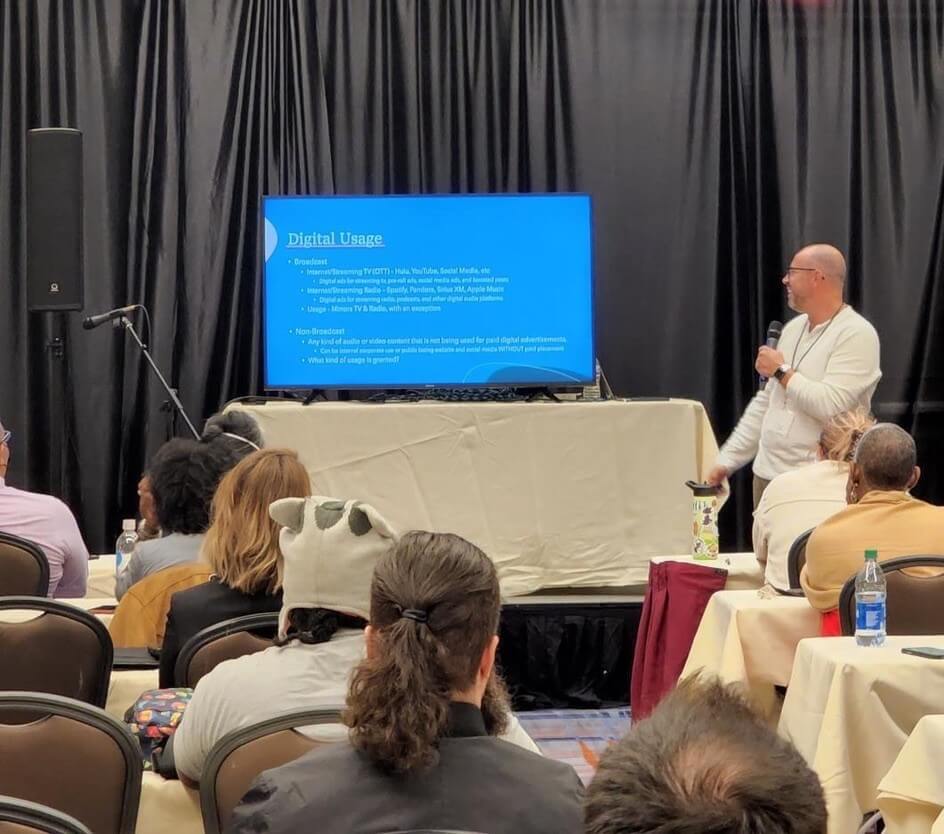
Over time, Toback built a successful voiceover career and expanded into education, helping aspiring talent navigate an industry that can be confusing even for experienced professionals.
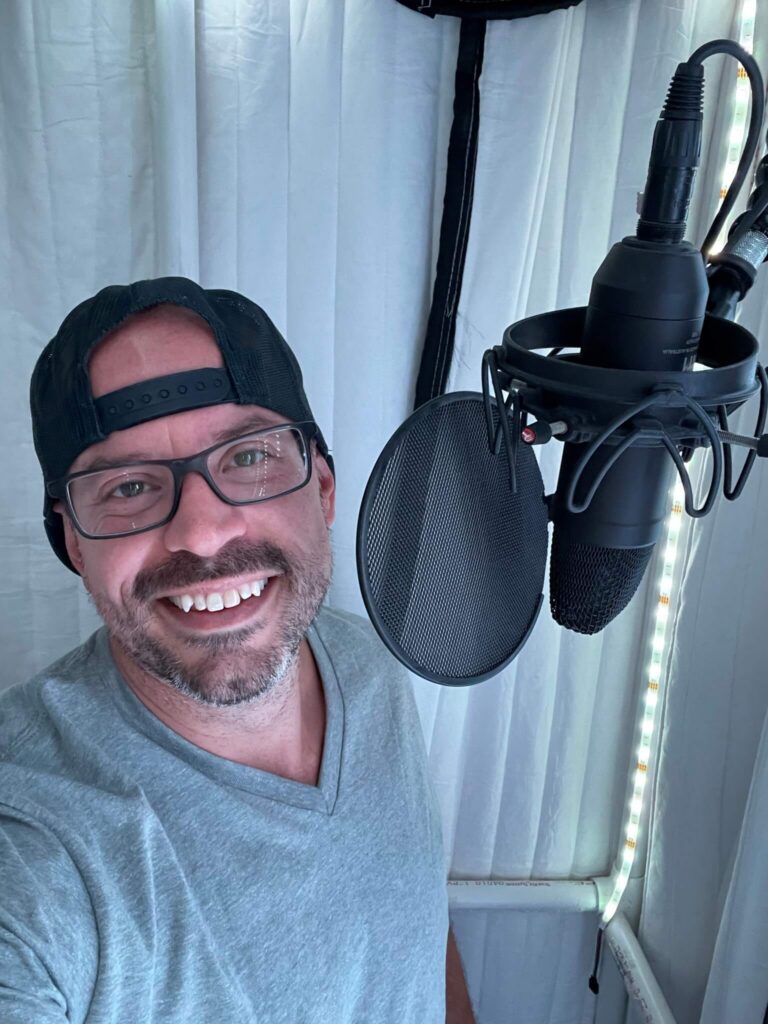
Because much of voiceover work happens remotely, the career also gave him the flexibility to reshape his life geographically. Today, Toback lives in Colombia, where he continues recording voice work and coaching talent around the world.
As he was finding his footing, Toback noticed a major gap. Voice actors had no clear, widely accepted reference point for rates.
So he made one, at first only for himself.
“I built my own rate card because I figured everyone else had one,” Toback says. “I was just trying to make sure I knew what to tell the next client when they asked what my rates were.”
He calls it his “Post-it Note moment,” a small personal guide he never expected to outgrow his own desk.
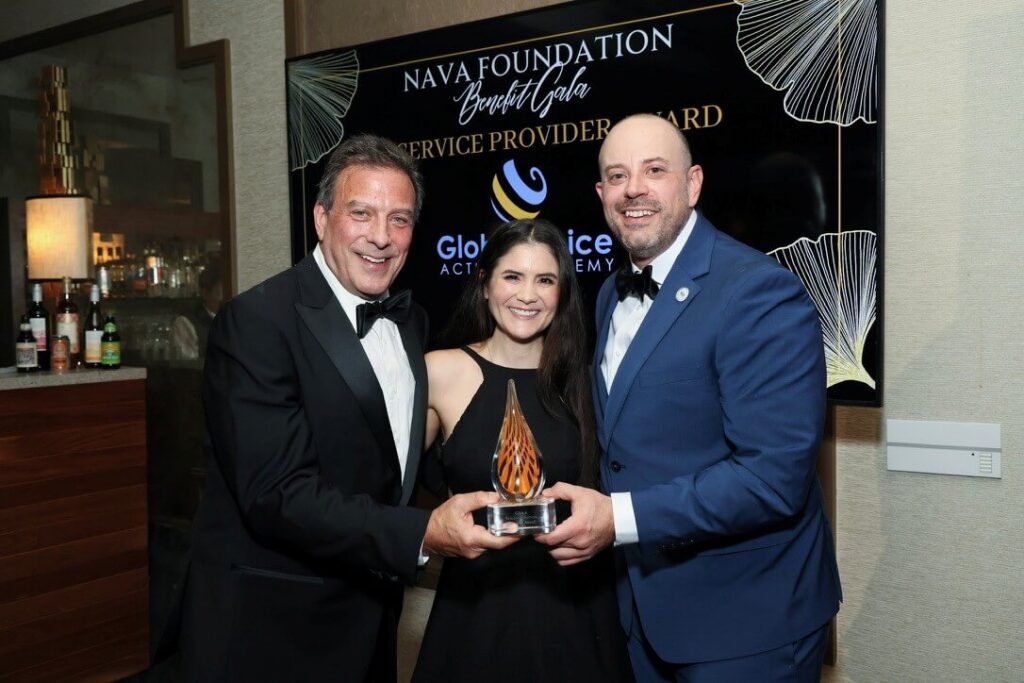
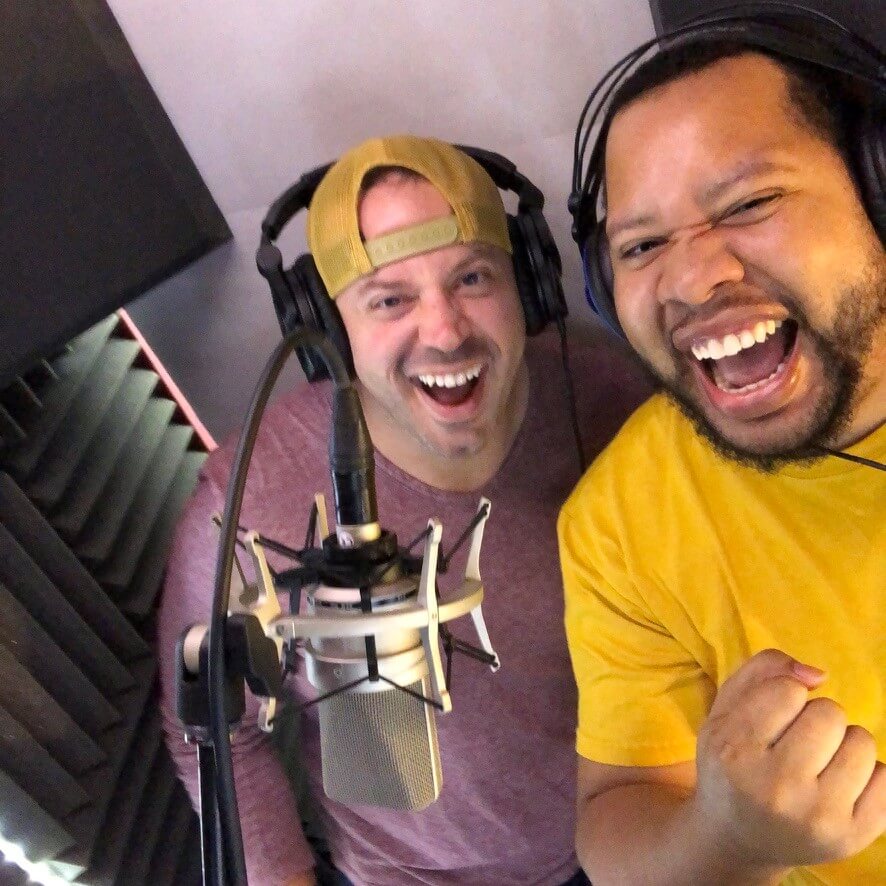
After creating that first version, Toback partnered with Cristina M. Medina, the owner of the company he now helps lead, Global Voice Acting Academy, to expand the guide for the broader community. They worked with industry professionals across coaching, casting, production, agents and talent to shape it into something reliable.
“We released the rate guide and it shot through the stratosphere,” Toback says. “And now it’s the nonunion industry standard in the world.”
The Point of It All
The impact, he says, is what stays with him.
“People in the industry come up to me and tell me the rate guide helped them make far more than they used to,” Toback says.
For Toback, the guide is not just a professional milestone. It reflects the purpose he had been searching for all along.
“I’ve always wanted to help people,” he says. “This just became a different way to do that.”
Finding his voice was personal.
Helping others find theirs became the point.
And for Toback, that purpose is now louder than anything he records in the booth.