Brandon Nightingale ’16 ’19MA: Archivist, Historian, Truth-Seeker
When Brandon Nightingale arrived at UCF from Jacksonville, he expected to become an engineer. It seemed practical, familiar and aligned with the path his older brother, Tim Nightingale ’14, had taken. But his time at UCF ultimately led him somewhere very different — toward a calling in historical research, archival work and a deeper understanding of his own family’s story.
His shift began the moment he realized engineering wasn’t where he belonged. Nightingale worked through demanding courses and long labs, but something felt misaligned. Changing his major brought uncertainty, both academically and at home, but it also marked the first time he fully trusted his own instincts.
Everything changed when he enrolled in a U.S. history course with Jim Clark, a longtime senior lecturer in the College of Arts and Humanities. (Clark passed away Oct. 24, 2025.)
Clark’s approach — connecting national moments to local stories and individual experiences — drew Nightingale in. He began staying after class, attending office hours and asking questions that went far beyond assignments. Mentorship from Clark and, later, from Dr. Scott French, Dr. Connie Lester and Dr. Luis Martínez-Fernández helped him discover a direction that felt both natural and necessary. UCF became the place where he realized he wasn’t just studying history; he was learning how to practice it.
That foundation shaped the rest of his academic and professional life.
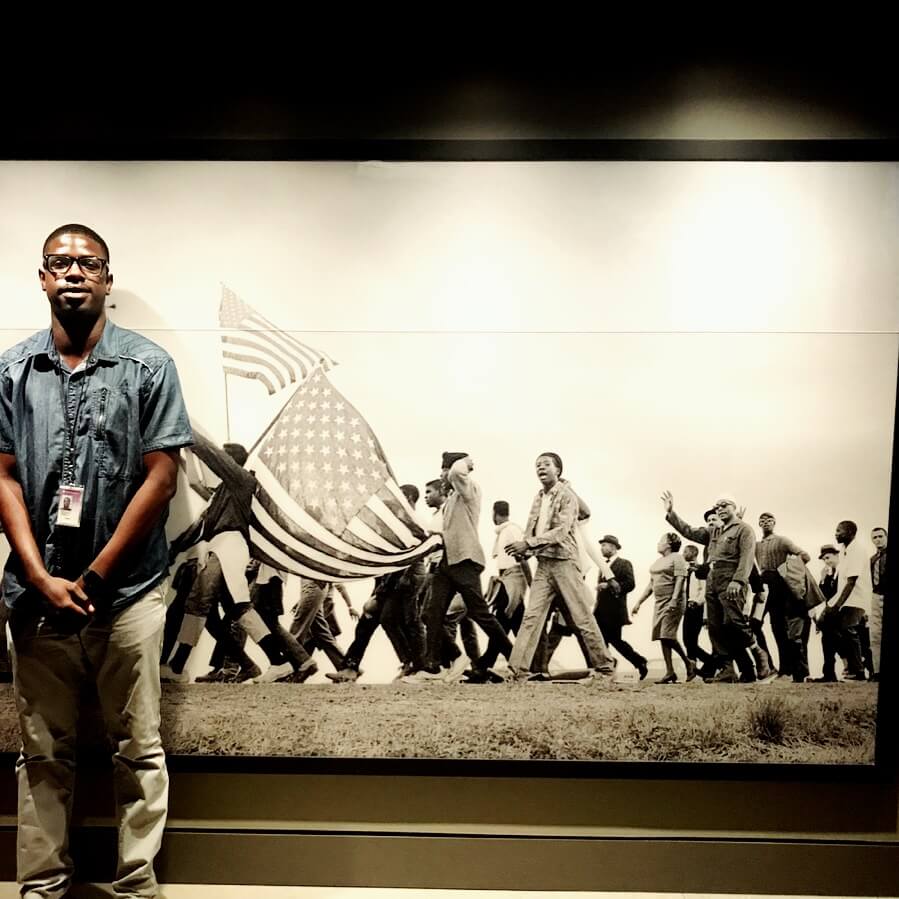
During graduate school, Nightingale earned a formative internship at the Smithsonian National Museum of African American History and Culture in Washington, D.C. The opportunity came through a UCF alum whose father was a museum curator — a connection that opened the door to a world he had only imagined. For three months, he observed curators, sat in on key planning meetings and learned how major institutions decide what to preserve and how to interpret it. His mentor made sure he saw the full scope of the work, from the smallest object-handling decisions to the broadest questions about historical context.
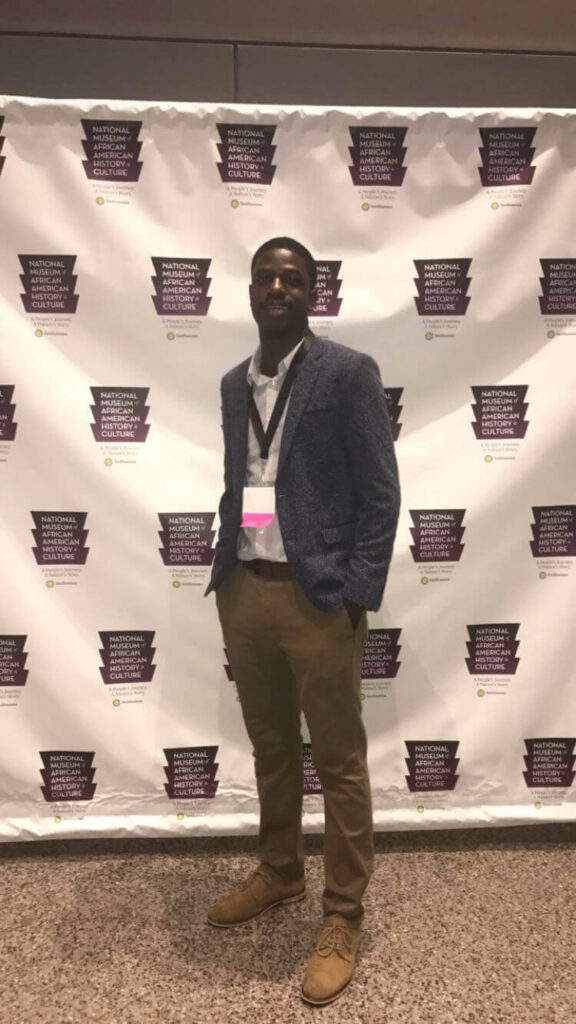
The experience clarified his path, and he returned to UCF ready for more advanced work.
Under archivist Mary Rubin, Nightingale completed a comprehensive history of the UCF Black Student Union by examining decades of Central Florida Future archives. The project is still published on the UCF Libraries website and continues to be used by students and researchers. That work helped him recognize that archives were not only a professional fit, but a place where he could contribute meaningfully to preserving stories that shape our understanding of the past.
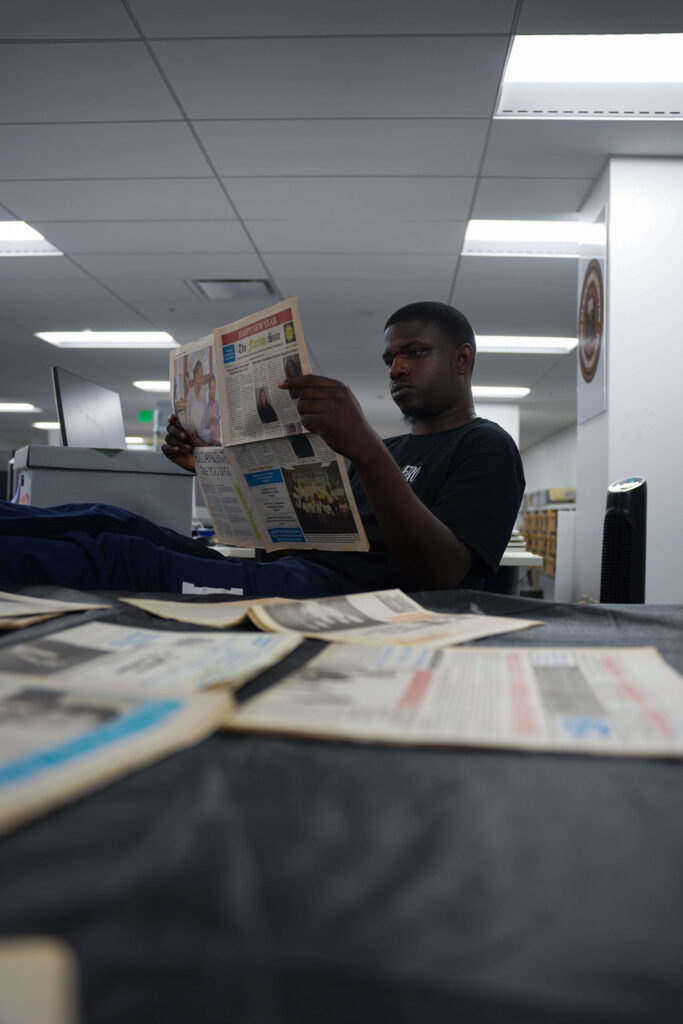
After earning his master’s degree, Nightingale joined Bethune-Cookman University, first as assistant archivist and eventually as university archivist. He also taught African American history to first-year students and completed a Master of Information Science. At Bethune-Cookman, he helped care for the papers and personal items of founder Mary McLeod Bethune — materials that revealed her leadership, vision and everyday life in ways textbooks often overlook. The experience deepened his appreciation for the human dimension of archival work.
His most personal research, however, began with a simple search during his Smithsonian internship.
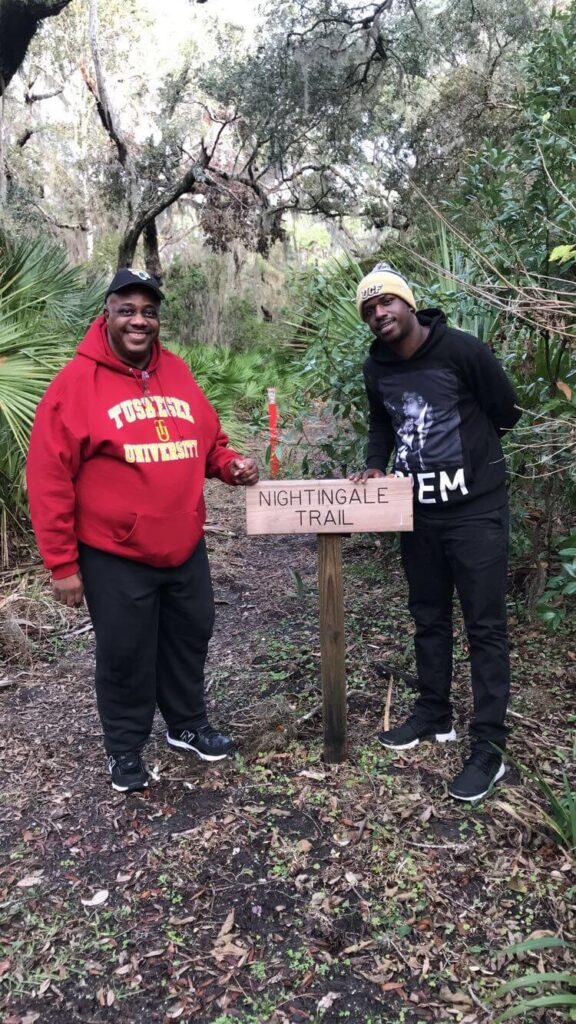
Typing his grandfather’s name into a family history database uncovered a World War II registration card — a clue that sparked nearly eight years of genealogical research. His work eventually led him to Cumberland Island, Georgia, where branches of the Nightingale family had lived for generations, and to Providence, Rhode Island, where members of that same family were involved in maritime trade during the eighteenth and nineteenth centuries. His research also connected to Brown University, where the Nightingale name remains part of the historic Nightingale-Brown House.
Last month, he stood inside that house, speaking about the findings of his research. He also visited a Providence church where his ancestors had worshipped and where exhibits now acknowledge the labor and histories connected to the congregation. It was a moment that tied together scholarship, identity and years of careful documentation.
He often says that UCF prepared him to do this work — to locate scattered records, interpret incomplete documentation and pursue questions even when the answers are complex.
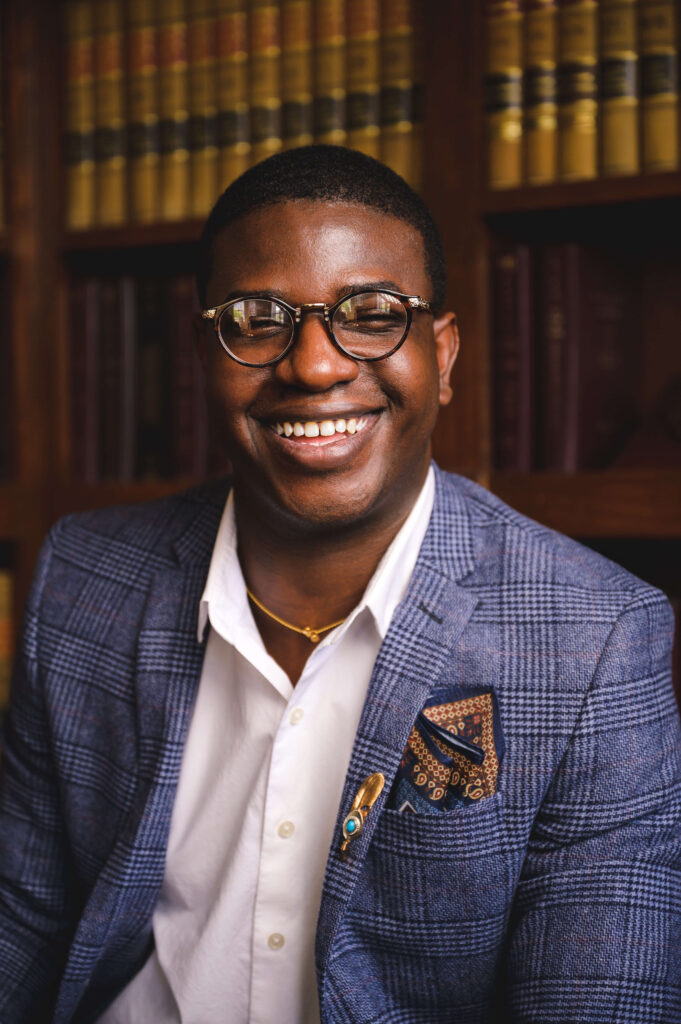
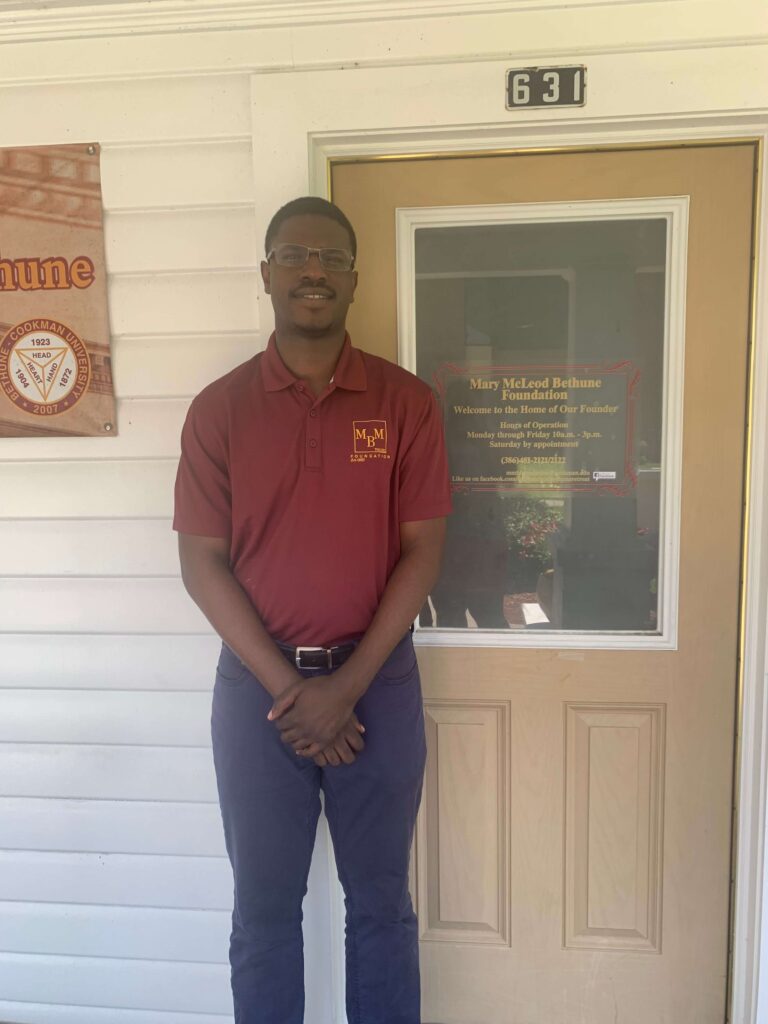
Today, Nightingale serves as the project manager for the Black Press Archives at Howard University, home to the largest collection of Black newspapers in the world. He is pursuing his Ph.D. in history, teaching, mentoring and helping others explore their own family histories. He hopes one day to lead a museum dedicated to preserving stories that might otherwise fade.
He believes that understanding the past begins with the willingness to look for it — and that UCF gave him the skills to do exactly that. Every archive he enters, every conversation he leads and every piece of history he helps uncover ties back to what he learned here.
UCF, he says, is where he discovered not only his profession, but his purpose.