Mason Baker ’17 Shares His Journey as a Traveling Physical Therapist
Seeing What Others Miss
Initially, there was little reason to suspect a serious orthopedic injury. But something about the patient’s presentation caught Mason Baker ’17’s attention.
There was subtle guarding. Hesitation during weight-bearing. Details that emerged through conversation and movement that didn’t quite fit the patient’s primary diagnosis.
As a physical therapist, Baker has learned that important clues often reveal themselves in small moments, when patients describe their symptoms, attempt a task, or move in unexpected ways.
He could not order the X-ray himself, but he approached the physician and explained why he believed additional imaging was necessary. The scans later confirmed the patient had a previously undiagnosed broken ankle.
For Baker, moments like that reinforce what drew him to physical therapy in the first place. The profession is not just about exercises or recovery plans. It is about observation, trust, and helping people regain confidence in their bodies after injury or setbacks.
Now working as a traveling doctor of physical therapy, Baker has built a career around adaptability, stepping into new clinics, meeting new patients, and learning new communities across the country.
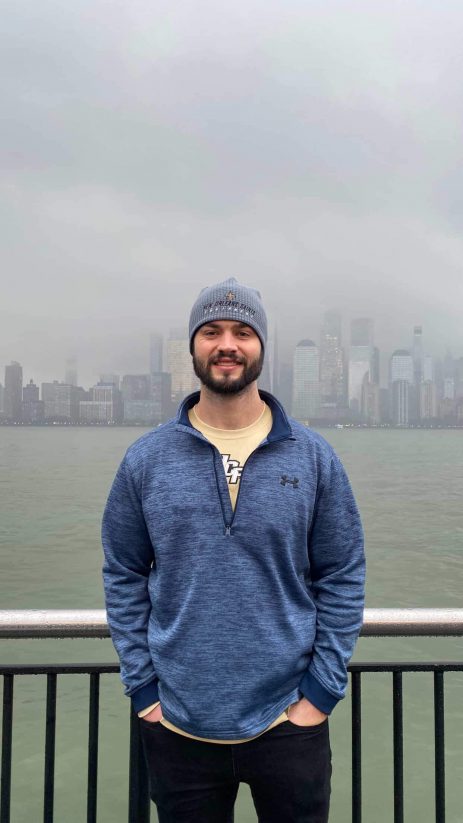
From one city to the next, Baker is helping patients take their next steps while embracing every new adventure along the way.
A Path Shaped by Sports and Science
Growing up in Florida’s panhandle, Baker spent much of his childhood around sports. Like many athletes, he experienced injuries and rehabilitation firsthand, which sparked an early curiosity about physical therapy and how the body heals.
That interest eventually led him to the University of Central Florida, where he earned his bachelor’s degree in health sciences.
While many students refine their career goals throughout college, Baker remained focused on healthcare from the beginning. He knew he wanted a career that combined science, problem-solving, and direct patient interaction.
After graduating from UCF, he earned his Doctor of Physical Therapy degree, entering the profession in 2020 during one of the most uncertain periods in modern healthcare.
The COVID-19 pandemic disrupted routines across hospitals, clinics, and universities nationwide. For many young healthcare professionals, the traditional idea of stability suddenly looked very different.
Baker adapted.
Instead of pursuing a conventional long-term placement immediately, he embraced travel therapy, a path that allowed him to work temporary assignments in different parts of the country while gaining experience in a wide range of clinical environments.
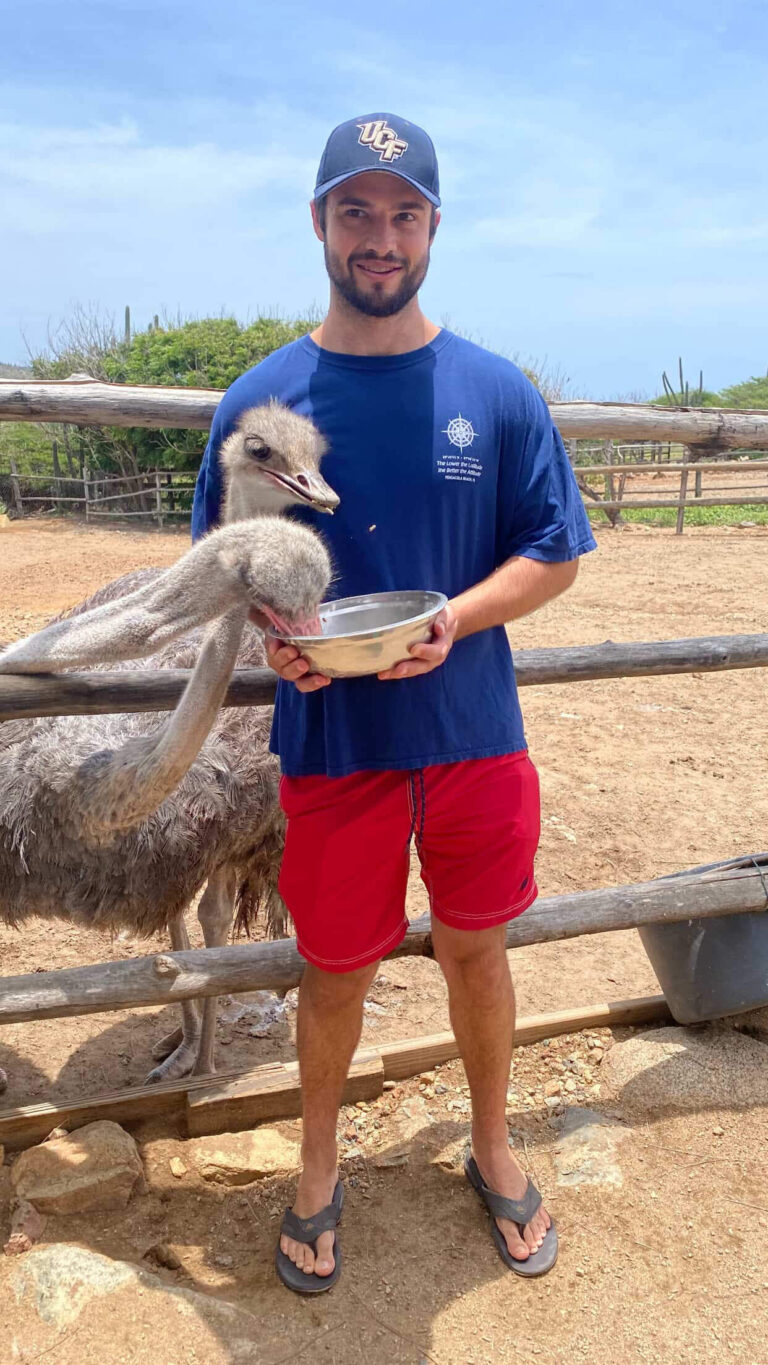
Mason Baker’s career doesn’t fit inside one clinic. As a traveling physical therapist, he’s bringing UCF’s spirit of service wherever the road leads.
Learning to Adapt
Travel physical therapy requires flexibility far beyond patient care.
Every assignment means learning new systems, adjusting to different workplace cultures and building trust quickly with unfamiliar patients and colleagues. Some settings are outpatient clinics, while others are hospitals or rehabilitation facilities, with no two experiences looking exactly alike.
That constant movement is part of what Baker enjoys most.
The career has also become a shared experience with his wife, who is also a doctor of physical therapy. Together, the couple has taken assignments in multiple states, building a life that values experience, exploration, and professional growth over staying rooted in a single place.
For Baker, each new location brings new lessons.
Working with different patient populations has strengthened his ability to adapt his communication style and treatment approach depending on individual needs. It has also reinforced the importance of paying attention to small details, especially in a profession where subtle changes in movement can reveal larger underlying problems.
That attentiveness continues to shape how he approaches patient care every day.
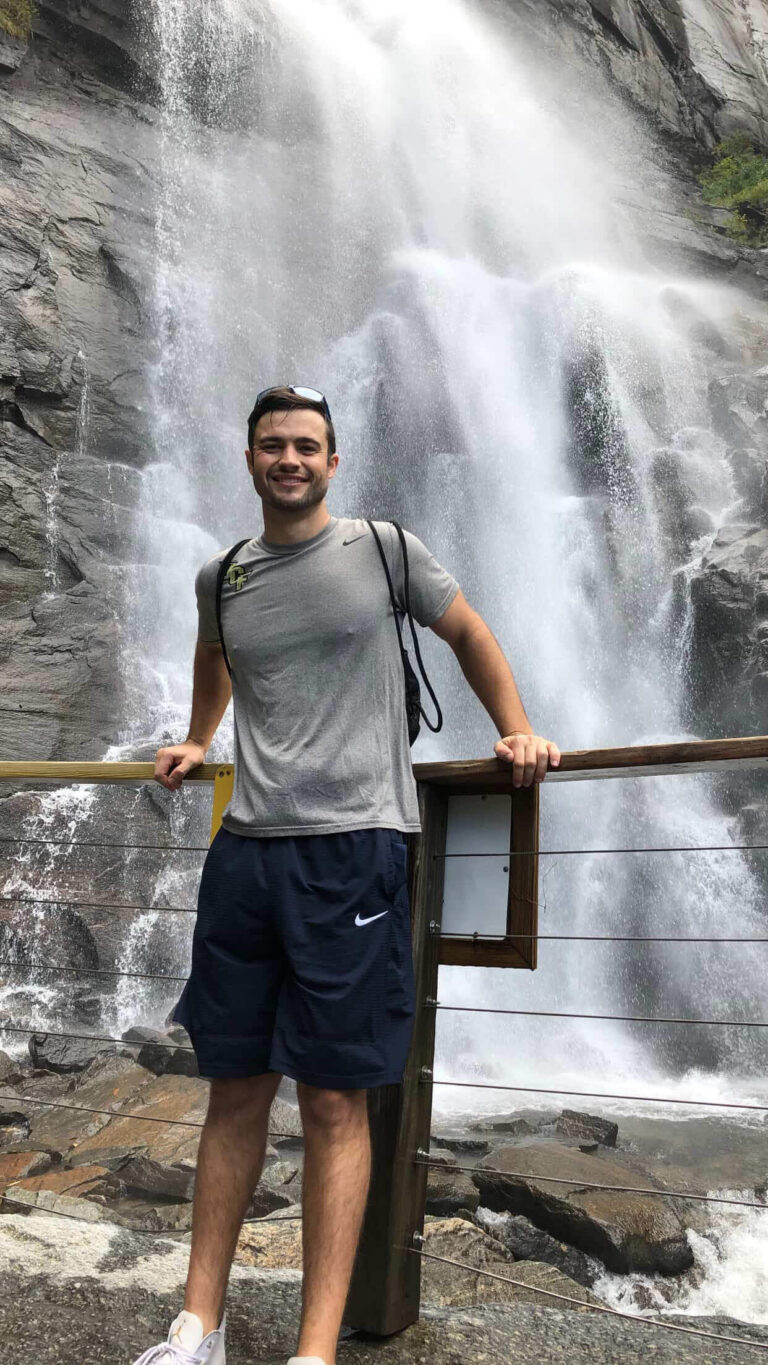
One patient. One community. One adventure after another.
Helping Patients Move Forward
Physical therapists often meet people during difficult moments in their lives. Patients may be recovering from surgery, coping with chronic pain, or trying to regain mobility after injury.
Baker understands that progress is rarely just physical.
Sometimes the work involves helping patients rebuild confidence after weeks or months of frustration. Other times, it means advocating for concerns that might otherwise go unnoticed, like the patient whose broken ankle was discovered only after Baker recognized signs of an undiagnosed injury.
It is work that requires technical skill, patience, and trust.
As he continues traveling from one assignment to the next, Baker remains grounded in the same mindset that first drew him toward healthcare years ago: helping people restore their quality of life.
Whether he is stepping into a new clinic, evaluating a patient for the first time or navigating another cross-country relocation with his wife, Baker has learned that meaningful progress often begins with paying close attention.
Sometimes, the smallest details are the ones that matter most.